Draw The Remaining Product Of The Reaction
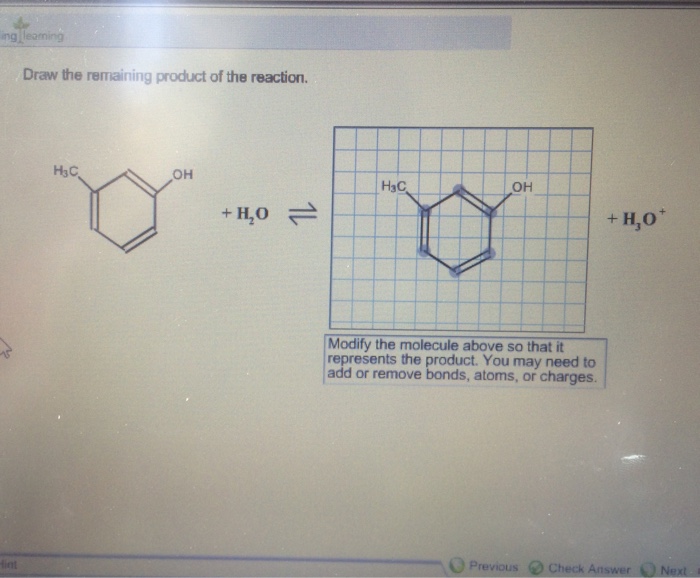
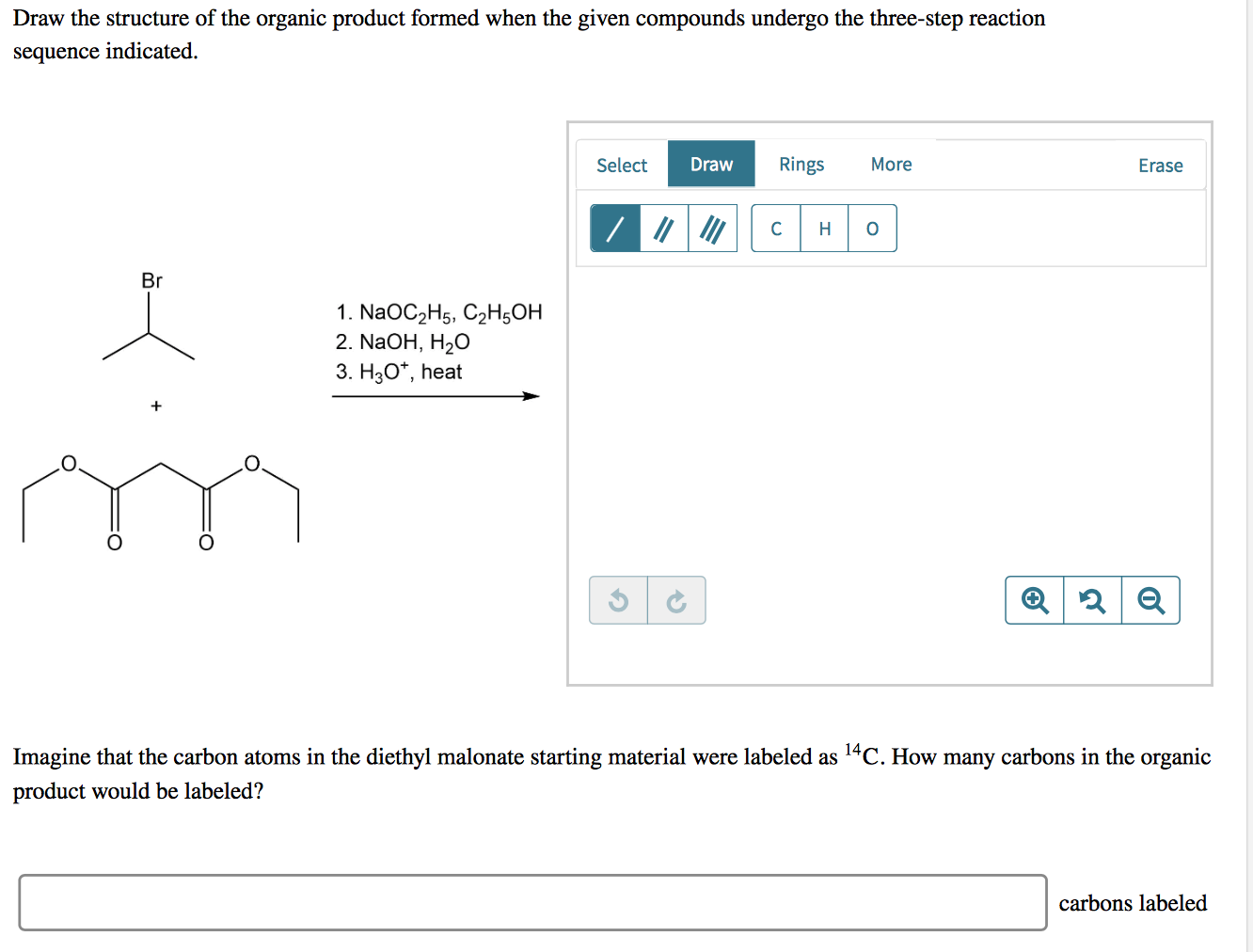
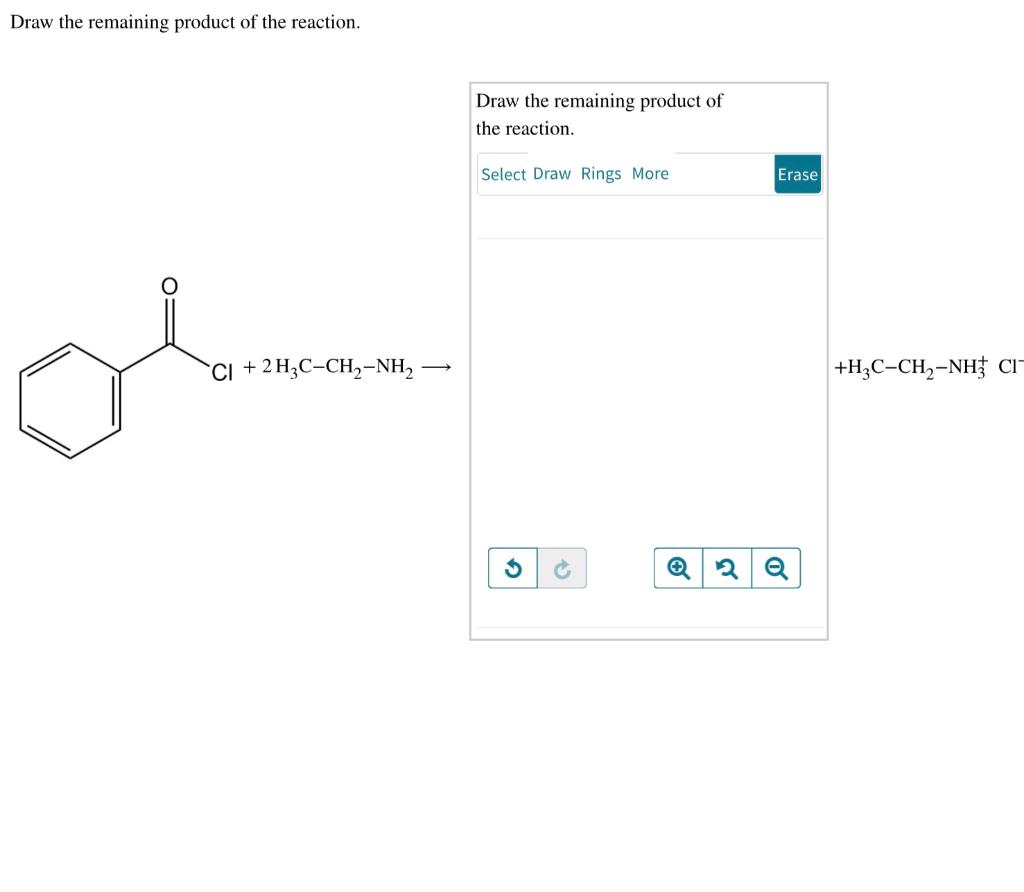
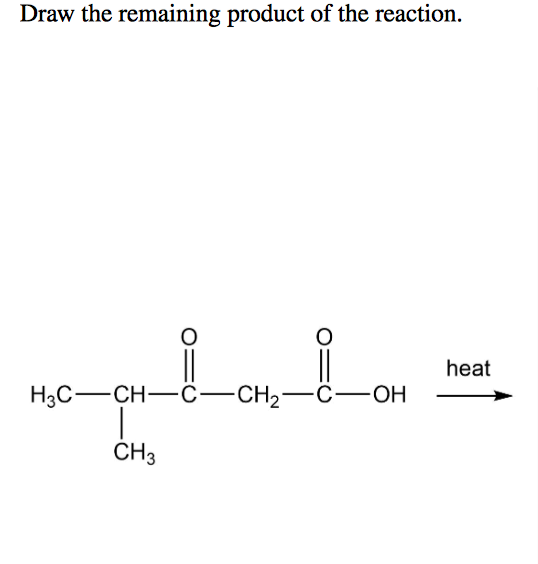
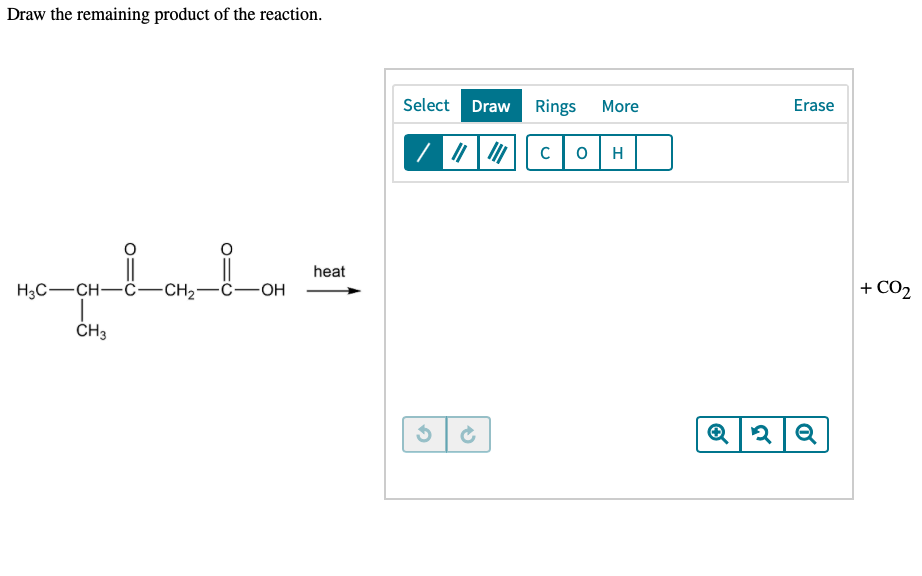
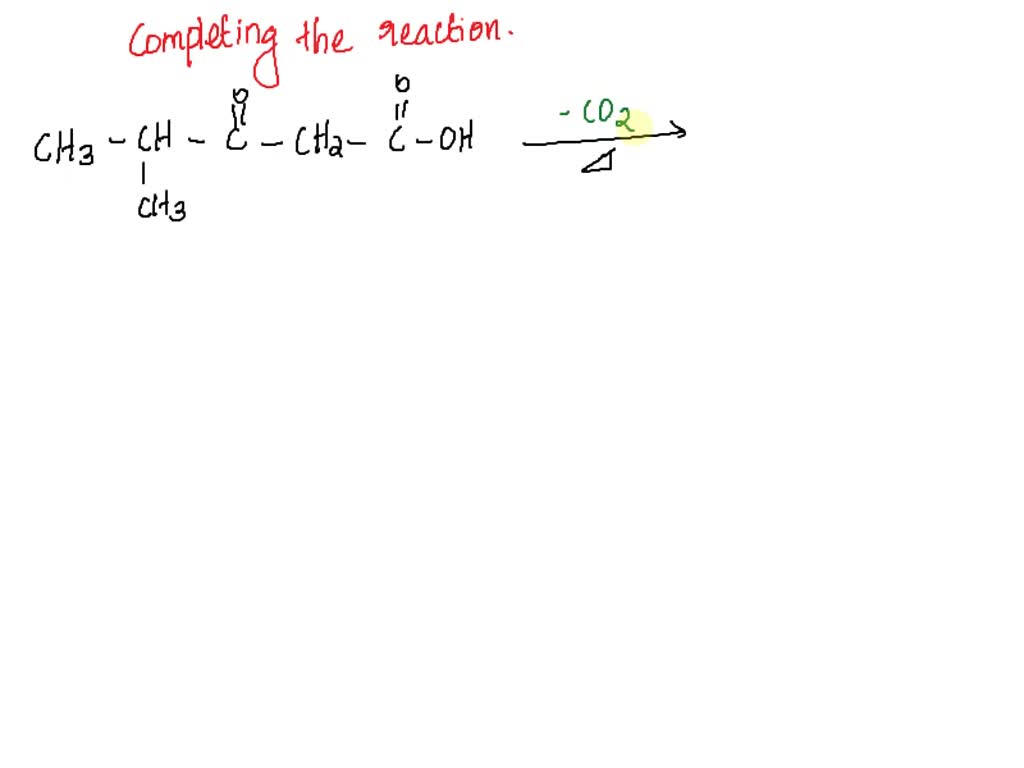
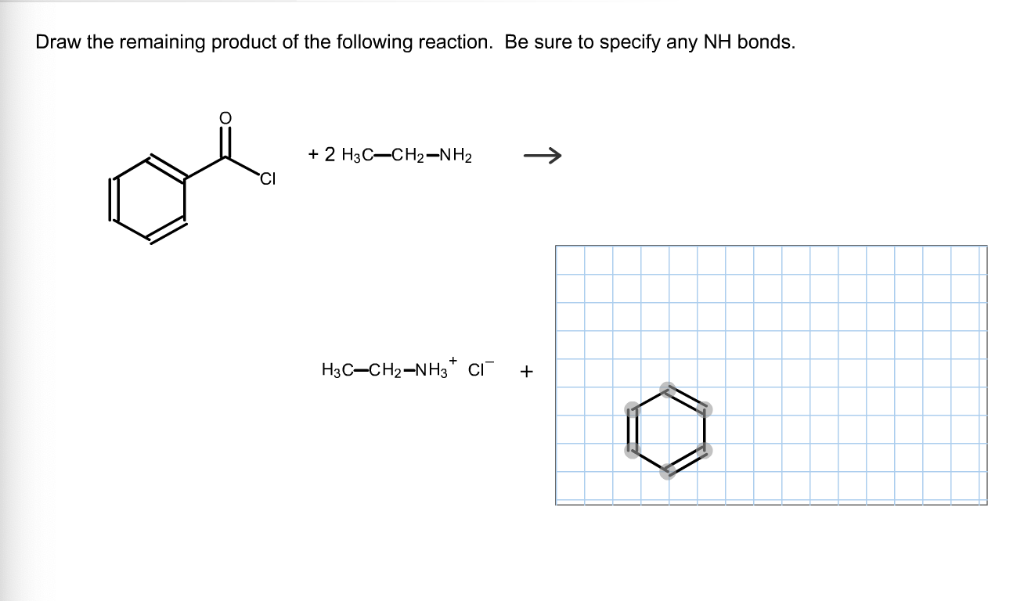
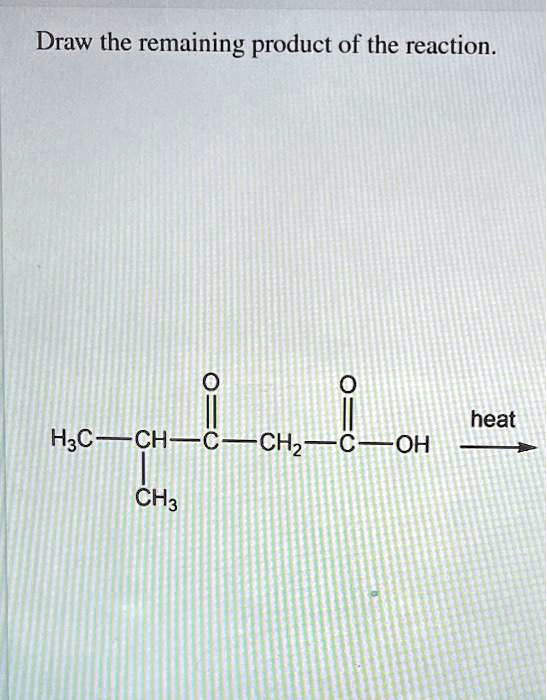
Draw The Remaining Product Of The Reaction - Web the sequence of individual steps, or elementary reactions, by which reactants are converted into products during the course of a reaction is called the reaction. Answer to solved draw the. The product formed when the bond to h is formed is called the conjugate acid. Decarboxylation is a chemical reaction that removes a carboxyl group. Solution for draw the remaining. View the full answer step 2. Web solve any chemical reaction with symbolab's free online calculator. Draw the remaining product of the following reaction. Web write a balanced chemical equation for a process given its reaction mechanism. Draw the remaining product of the reaction. Draw the remaining product of the reaction. Select draw rings more erase c o h heat ཡོད་རིགས་བང་ཡི་ཡབ་ + co2 གྱི a ཞ. Web the first step in this process of discovery is anticipating or predicting the products which are likely to be formed in a given chemical reaction. Web a chemical equation describes a chemical reaction. Draw the product(s) of the following reaction. Answer to solved draw the. This section describes how to use the stoichiometry of. +h20'_—' h30 oh modify the molecule. Derive the rate law consistent with a given reaction mechanism. View the full answer step 2. Answer to solved draw the. Not the question you’re looking for? The question asked us to draw all the products of the reaction. View the full answer step 2. Draw the remaining product of the reaction. Draw the remaining product of the following reaction. Web a chemical equation describes a chemical reaction. Web the sequence of individual steps, or elementary reactions, by which reactants are converted into products during the course of a reaction is called the reaction. +h20'_—' h30 oh modify the molecule. Web the product formed when the bond to h is broken is. The question asked us to draw all the products of the reaction. Web the product formed when the bond to h is broken is called the conjugate base. Draw the remaining product of the following reaction. Draw the product(s) of the following reaction. What type of reaction is this? Solution for draw the remaining. Not the question you’re looking for? View the full answer step 2. Here in the above reaction acid chloride reacts with 2 mo. Web draw the structure for the reactant (a), intermediate product (b), and the final product (c) in each of the following reactions. Decarboxylation is a chemical reaction that removes a carboxyl group. Web the first step in this process of discovery is anticipating or predicting the products which are likely to be formed in a given chemical reaction. Draw the remaining product of the reaction. The question asked us to draw all the products of the reaction. Web the product formed when. Web draw the structure for the reactant (a), intermediate product (b), and the final product (c) in each of the following reactions. Draw the remaining product of the reaction. This section describes how to use the stoichiometry of. Derive the rate law consistent with a given reaction mechanism. Answer to solved draw the. Draw the remaining product of the reaction. Not the question you’re looking for? Your solution’s ready to go! Post any question and get expert help quickly. Web draw the structure for the reactant (a), intermediate product (b), and the final product (c) in each of the following reactions. Web a stoichiometric quantity is the amount of product or reactant specified by the coefficients in a balanced chemical equation. Draw the remaining product of the reaction. Here in the above reaction acid chloride reacts with 2 mo. Web 2ch3oh(l) + 3o2(g) → 2co2(g) + 4h2o(g) + energy. What type of reaction is this? Draw the remaining product of the following reaction. +h20'_—' h30 oh modify the molecule. Learn more about this topic, chemistry and related others by exploring similar questions and additional content below. Draw the product(s) of the following reaction. The question asked us to draw all the products of the reaction. Post any question and get expert help quickly. Derive the rate law consistent with a given reaction mechanism. This section describes how to use the stoichiometry of. Draw the product(s) of the following reaction. Draw the remaining product of the following reaction. I'm going to start by drawing all of the residents forms of the structure, so we'll have a few. Draw the remaining product of the following reaction. Web the first step in this process of discovery is anticipating or predicting the products which are likely to be formed in a given chemical reaction. Your solution’s ready to go! Web the remaining product will be ch3ch(ch3)coch3. View the full answer step 2. Web the sequence of individual steps, or elementary reactions, by which reactants are converted into products during the course of a reaction is called the reaction. Web write a balanced chemical equation for a process given its reaction mechanism. The question asked us to draw all the products of the reaction. Decarboxylation is a chemical reaction that removes a carboxyl group. +h20'_—' h30 oh modify the molecule. This section describes how to use the stoichiometry of. Web 2ch3oh(l) + 3o2(g) → 2co2(g) + 4h2o(g) + energy. Draw the remaining product of the reaction. Draw the remaining product of the reaction. Web a chemical equation describes a chemical reaction.Solved Draw The Remaining Product Of The Reaction. H3C. O...
SOLVED Draw the remaining product of the reaction. heat H2C=CHOH CH3
Solved Draw the remaining product of the reaction. 0 heat
Solved Draw the remaining product of the reaction. Draw the
Solved Draw the remaining product of the reaction. 0 heat
Solved Draw the remaining product of the following reaction.
Draw The Remaining Product Of The Following Reaction
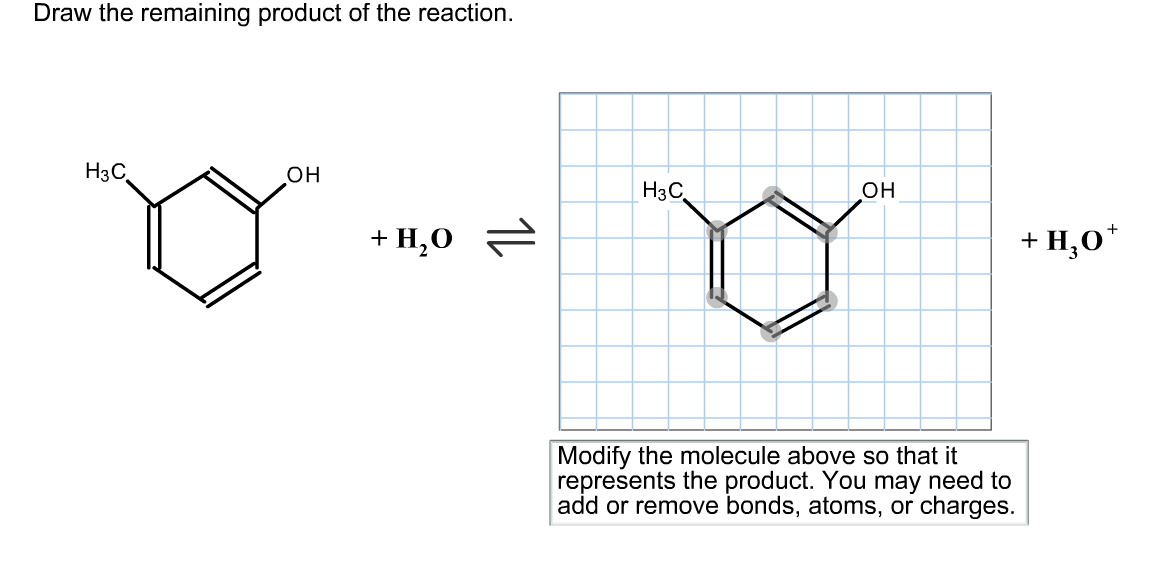
Solved Draw the remaining product of the reaction.
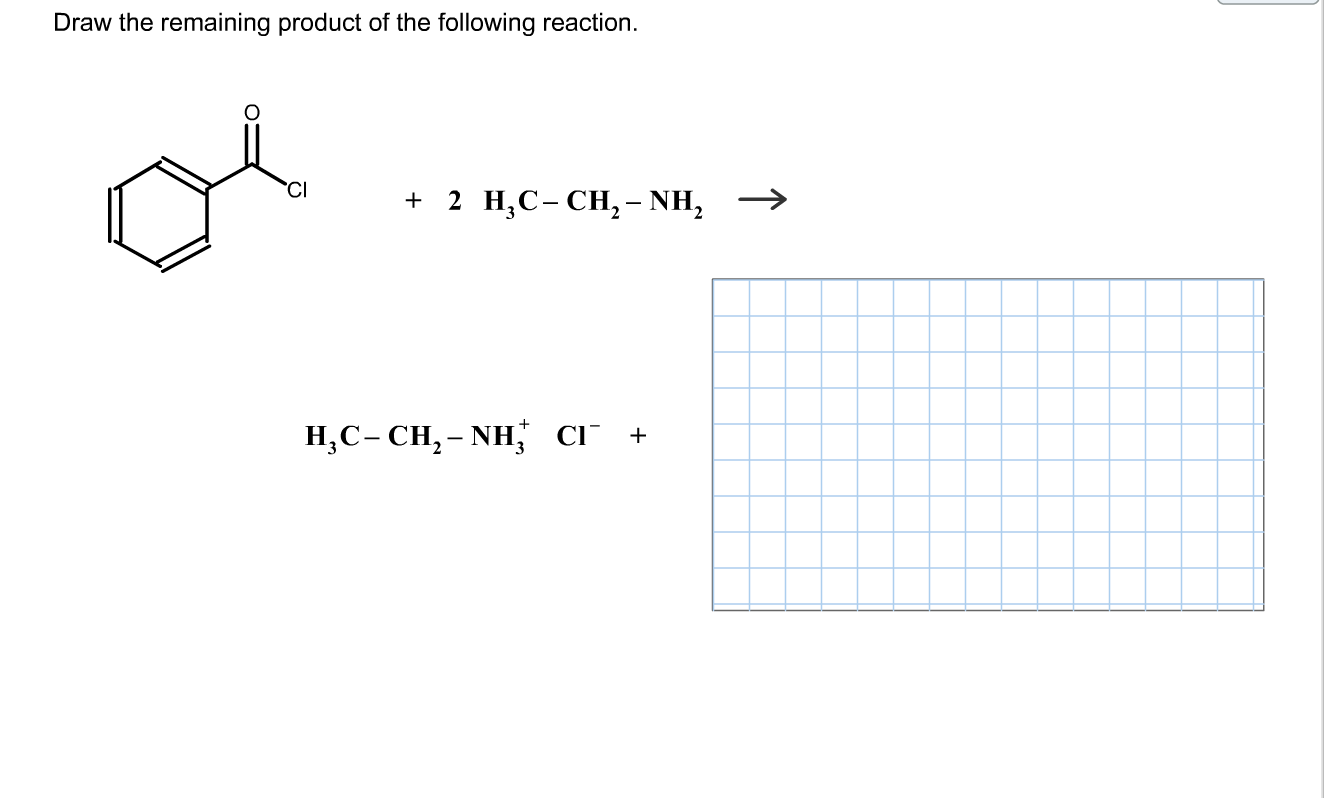
Solved Draw the remaining product of the following reaction.
Solved Draw the remaining product of the reaction. Select
Web Solve Any Chemical Reaction With Symbolab's Free Online Calculator.
Here In The Above Reaction Acid Chloride Reacts With 2 Mo.
What Type Of Reaction Is This?
Web Draw The Structure For The Reactant (A), Intermediate Product (B), And The Final Product (C) In Each Of The Following Reactions.
Related Post: